Calm Classroom & SEL
routines, not decorations
A calm classroom isn't a personality trait; it's a set of routines students can predict. This line covers the places calm gets made or lost: the first week, the morning arrival, the whole-day expectations, and the moment a feeling gets too big for a seat.
The calm systems
Five resources for kindergarten through 5th grade, each one a complete, teachable system on its own. Start where your classroom needs it most; the free check-in is the easy first step.
Built to be taught, not laminated
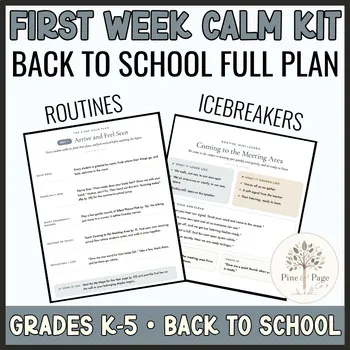
Every kit in this line assumes the same thing: a poster only works if there's a routine behind it. So the First Week Calm Kit plans five days around one calm goal, one check-in, one community activity, and one routine per day. Soft Start gives arrivals a predictable First 10 sequence with 48 quiet task cards in two grade tiers. Calm Classroom Management swaps clip charts for picture-first expectations, quiet signals, transition cards, brain breaks, and private resets.
The blog's Schoolhouse shelf shows the thinking behind the line, starting with The First Five Days, which walks through the week the Calm Kit plans.
Questions teachers ask
What makes a classroom feel calm?
Predictability. Students relax when they know what happens next: how mornings start, what the expectations look like, where to go with a big feeling, and how the day resets after recess. These resources are routines and systems, not decor.
Do these resources use clip charts or public behavior tracking?
No. Calm Classroom Management is built as a relationship-first alternative to clip charts: picture-supported expectations, quiet attention signals, transition cards, brain breaks, and private reset tools instead of public tracking.
What goes in a calm down corner?
A clearly marked space, a feelings chart so students can name what is happening, a four-step poster for working through it, calming strategy cards, check-ins, and a way back into learning. The Calm Down Corner Kit includes all of it plus a setup guide.
What grades are these for?
All five resources are built for kindergarten through 5th grade, with wording and visuals that stretch across the band, and the Soft Start task cards come in two tiers: one for grades K to 2 and one for grades 3 to 5.
The free feelings check-in is the no-cost way to start, quiet routines continue in the early finishers collection, and everything else lives on the main shop page.